
Responsibility starts with the story behind the damage itself. Packing records, handling notes and contract terms often show where the problem began. Removalist insurance claims then rest on the available evidence, the reported timeline and whether the crew used reasonable care and skill throughout.
Before booking a mover, it’s worth understanding how removalist insurance options work, particularly if you’re transporting valuable or fragile belongings.
A scuff alone rarely settles the issue. Prompt photos and a clear written report give a claim stronger footing.
- Liability and insurance cover are related, but they answer different questions.
- Boxes packed by the customer make fault harder to pin down.
- Photos, inventories and written reports carry real weight in a dispute.
- Contract wording cannot simply cancel out consumer law protections.
- Report damage the moment it’s noticed.
- Ask upfront whether cover is weight-based or value-based, before comparing price.
When Can a Removalist Be Held Responsible for Damage?
Not every scratch or scuff is someone’s fault.
The ACCC’s consumer guarantees expect services to be delivered with proper care and skill, and that standard marks the line between an unlucky accident and mishandling. (Research 1)
What Does Due Care and Skill Mean During a Move?
- Careful lifting and carrying, especially on stairs
- Proper wrapping, padding and secure loading
- Watching corners, doorframes and tight hallways
- Extra handling for anything fragile, heavy or awkward
- Australian Consumer Law considerations
Section 60 of the Australian Consumer Law sets the due care and skill standard for services.
A mover who rushes a fragile item down a stairwell without padding is behaving very differently to one who simply hits an unavoidable bump on a quiet street.
The same law stops a business from writing that standard away in a contract.
A pre-move walkthrough through the property reveals low doorframes, sharp stairwell turns and narrow passages before lifting starts. The crew can then plan safer wrapping, carrying and loading methods.
When Might Responsibility Fall Somewhere Else?
- Damage tucked inside a box the customer packed
- A crack or weak joint that existed before moving day
- Fragile pieces nobody mentioned before the truck arrived
- Wrong details about weight, access or condition
- Sudden storms, traffic incidents or road closures beyond the crew’s control
A piano, fish tank or antique mirror changes the job before loading starts. Early notice gives the crew time to organise suitable padding, straps and trolleys.
It also protects the customer’s position later, since the removalist can’t claim they were never warned about it.
If you’re unsure how to prepare specialty items, professional packing and unpacking servicescan significantly reduce the likelihood of accidental damage.
What Makes Removalist Insurance Claims More Likely to Succeed?
Dated photos and written records give a claim solid ground.
Approval is never automatic. A dated record of the item’s condition, the booking details and the first damage report gives the assessor facts while they remain clear.
What Evidence Should Be Collected Before and After the Move?
- Time-stamped photos of fragile and high-value pieces
- A written inventory noting condition beforehand
- Copies of the quote, booking terms and receipt
- Clear photos of any damaged packaging or furniture
- Messages or emails reporting the issue
Some removalists only offer released-value cover, which pays a small amount per kilogram rather than the item’s real worth.
A quote that includes full value-based cover, instead of the cheaper weight-based option, is worth confirming before signing anything.
When comparing companies, reading what makes a good removalist company in Sydney can help you understand the differences beyond price alone.
How Should Damage Be Reported to the Removalist?
Damage reported on moving day gives the removalist a clear account to assess. Photos and a concise written explanation usually carry more weight than a general complaint raised several weeks afterwards does.
- Leave the item as it is until it’s recorded
- Put the report in writing as soon as possible
- Record how the damage occurred and identify every affected item
- Include photographs, purchase receipts and relevant supporting records
- State the requested outcome and ask for a written reply
Most claims processes work within a set reporting window, so raising the issue early keeps every option open rather than closing off a straightforward fix.
View this post on Instagram
How Can Sydney Residents Reduce the Risk of Moving-Day Damage?
A quick access check can spare a doorway from a costly scrape.
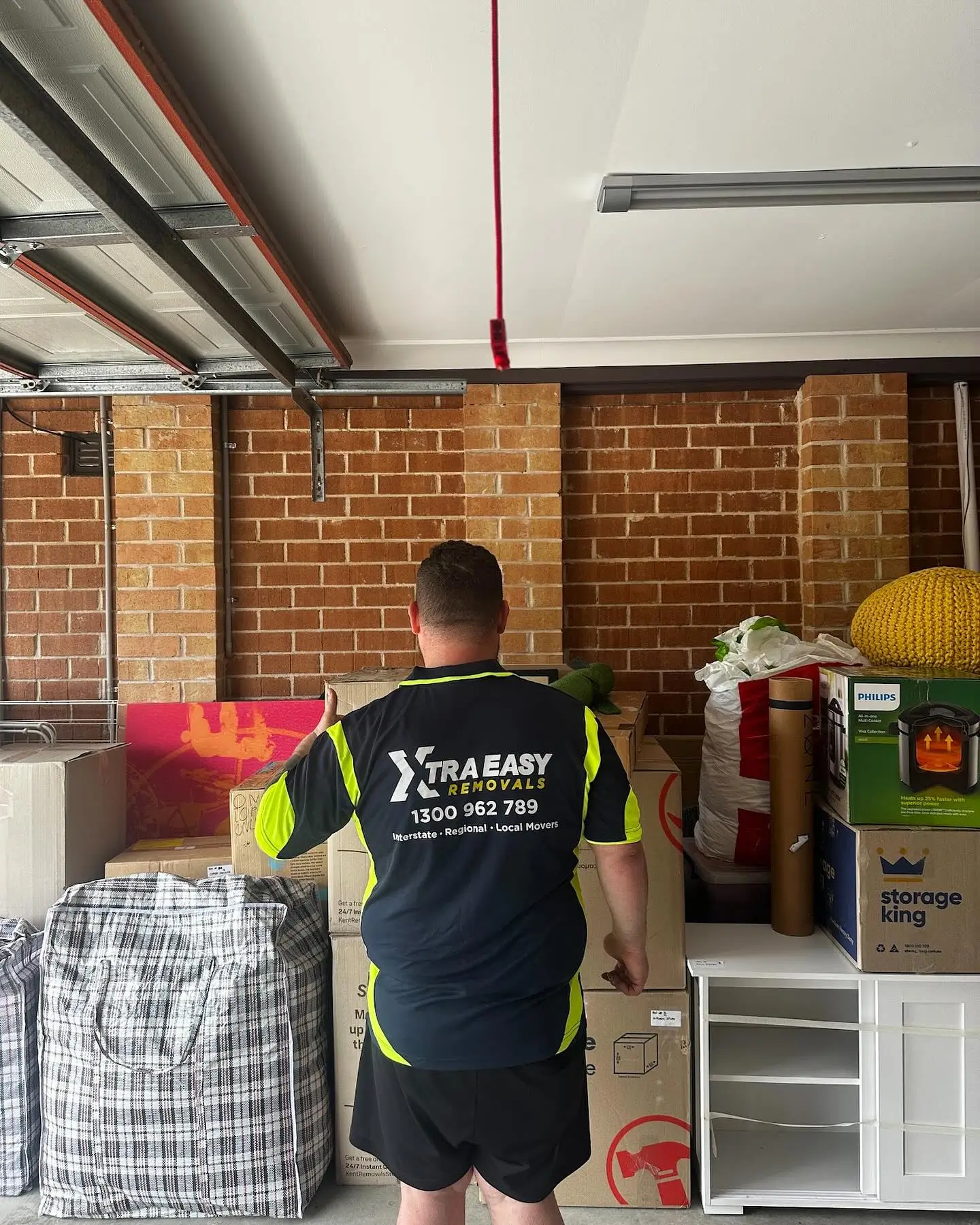
Xtra Easy Removals removalist services are built around Sydney’s tightest access points and trickiest buildings.
Which Details Should Be Discussed Before Booking Sydney Removalists?
- High-value, delicate or sentimental belongings
- Stairs, lifts, narrow doorways and tricky parking
- Oversized furniture or equipment needing extra hands
- Whether packing is being handled in-house or by the crew
- What transit protection actually covers, and what it excludes
Sydney terraces and apartment blocks often need a temporary parking permit or a booked loading zone through the local council.
Sorting this before moving day avoids the kind of rushed, last-minute handling that leads to knocks and scrapes.
Why Does the Right Sydney Moving Crew Matter?
What separates the right Sydney moving crew from an average one comes down to more than price.
Local knowledge of lifts, loading zones and strata rules is often what keeps a doorframe or a floor from getting damaged in the first place.
- Comfortable navigating strata and apartment access rules
- Equipment suited to Sydney’s older homes and tight builds
- Straightforward communication before the truck even arrives
- Terms and paperwork that are easy to follow
- A simple way to raise concerns after the job’s done
A crew that already knows a building’s loading dock or lift booking system moves with less improvising around awkward corners.
That familiarity is exactly where most preventable damage gets stopped before it happens.
View this post on Instagram
FAQs About Damage, Liability and Moving Insurance
The same concerns surface in many damage claims. These answers cover the practical points customers usually ask about first.
Does a removalist have to pay for every damaged item?
No. Payment usually depends on whether the damage links back to careless handling. A breakage on its own doesn’t automatically mean a payout.
Is removalist insurance worth paying for?
Often, yes. Checking how removalists are insured is a smart first step before deciding on extra cover, since gaps in standard cover can leave a costly shortfall.
Transit policies may leave out antiques, artwork or electronics. Reading the product disclosure statement before booking shows where separate protection may be needed.
Can a claim be made when the customer packed the box?
Sometimes. It gets harder to prove fault once the removalist never saw what was inside, though outer damage from mishandling can still count.
Photos of the contents before sealing each box, plus proper padding around anything breakable, make it far easier to show reasonable care was taken.
How long does a removalist damage claim usually take?
It varies. Straightforward cases with good photos and paperwork tend to move faster than disputes over who packed an item or where fault genuinely sits.
What happens when the removalist rejects the claim?
Request the decision in writing and compare each reason with the booking terms originally accepted. From there, a written follow-up or a formal dispute is next.
If the response still isn’t satisfactory, options include lodging a complaint with NSW Fair Trading or applying to the NSW Civil and Administrative Tribunal for larger disputes.
Protect More Than Furniture on Moving Day
Removalist insurance claims are far easier to avoid than to argue about afterwards, and a no-obligation quote from Xtra Easy Removals is a good place to start.
Run the numbers first with the online calculator, or talk through fragile items, tricky access, packing support and protection options with the team before booking the next move.